Blog
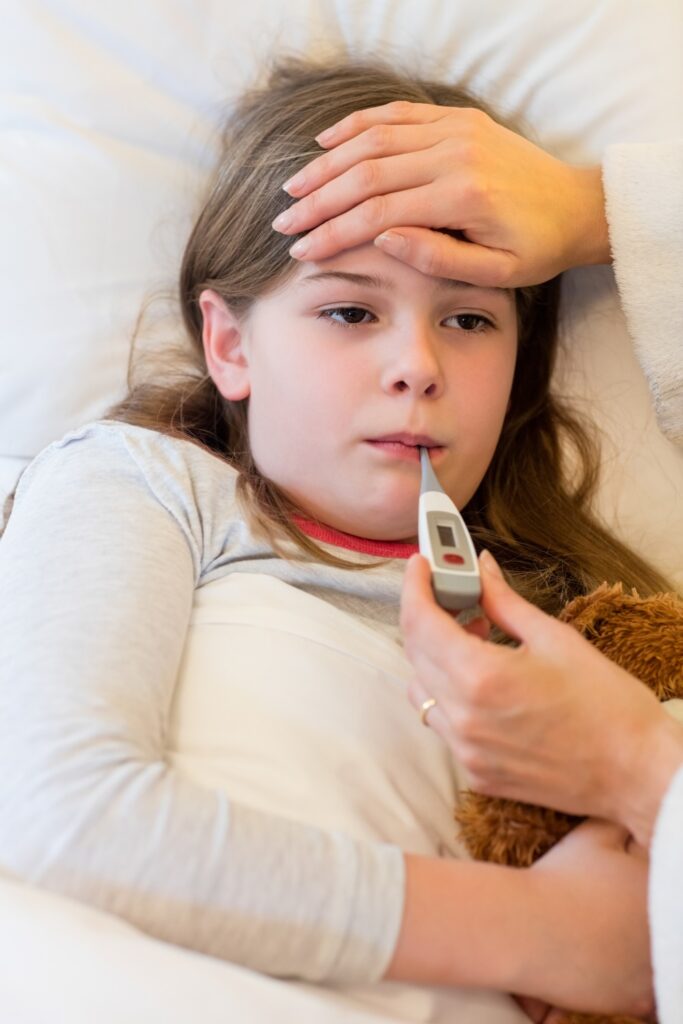
HOME REMEDIES FOR YOUR CHILD’S FEVER
Treating a child’s fever at home involves several strategies to reduce their temperature and ensure they are comfortable. Here’s a comprehensive guide on how to treat a child’s fever:
Assessing the Fever
- Measure Temperature: Use a reliable thermometer to check your child’s temperature. Fever is generally defined as:
- Rectal, ear, or temporal artery temperature: 100.4°F (38°C) or higher.
- Oral temperature: 100°F (37.8°C) or higher.
- Armpit (axillary) temperature: 99°F (37.2°C) or higher.
Home Treatment Strategies
- Keep Your Child Comfortable
- Light Clothing: Dress your child in light, breathable clothing. Avoid heavy blankets or overdressing.
- Room Temperature: Keep the room at a comfortable temperature, not too hot or too cold.
- Hydration
- Fluids: Encourage your child to drink plenty of fluids, such as water, oral rehydration solutions, broth, or diluted fruit juices.
- Breastfeeding/Formula: Continue breastfeeding or formula feeding for infants.
- Rest
- Ensure your child gets plenty of rest. Physical activity can raise body temperature, so it’s important they rest.
- Medications
- Acetaminophen (Tylenol): Can be given to reduce fever and relieve discomfort. Follow the dosing instructions based on your child’s age and weight.
- Ibuprofen (Advil, Motrin): Another option for reducing fever in children over six months old. Again, follow dosing instructions carefully.
- Avoid Aspirin: Do not give aspirin to children due to the risk of Reye’s syndrome, a rare but serious illness.
- Tepid Baths
- Lukewarm Bath: A lukewarm (not cold) bath can help lower body temperature. Ensure the water is not too cold, as this can cause shivering and potentially raise body temperature.
- Wet Cloth: Placing a cool, damp washcloth on your child’s forehead, wrists, or groin can also help reduce fever.
- Comfort Measures
- Resting Environment: Keep your child in a quiet, comfortable environment. Read to them, play calm music, or let them watch a favorite show to keep them relaxed.
Monitoring and When to Seek Medical Advice
- Monitor Symptoms: Keep an eye on your child’s behavior and symptoms. Note any changes in their condition.
- Medical Attention: Seek medical advice if:
- Your child is under three months old with a fever of 100.4°F (38°C) or higher.
- Your child is between three and six months old with a fever of 102°F (38.9°C) or higher.
- The fever persists for more than three days.
- Your child appears very irritable, lethargic, or has a significant change in behavior.
- Your child has a fever accompanied by a rash, difficulty breathing, persistent vomiting, or dehydration (e.g., no tears when crying, dry mouth, or fewer wet diapers).
- Your child has a seizure.
- Your child has a fever following immunizations and it persists for more than 48 hours or is particularly high.
General Advice
- Follow Instructions: Always adhere to the instructions on medication packaging and dosages provided by healthcare professionals.
- Stay Calm: Fevers are a common response to infection and are often not serious. Stay calm and provide comfort and care to your child.
By following these steps, you can effectively manage your child’s fever at home and ensure they remain comfortable.
ciwsbhopal
0